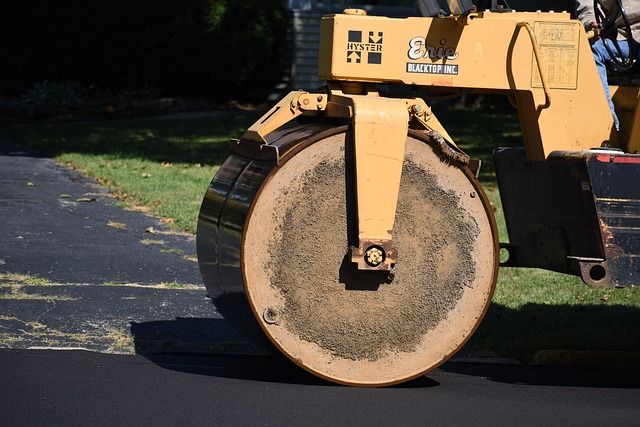
Weather-Resistant Flooring: Albany School Paving Solutions
Selecting weather-resistant flooring for schools in regions with varying climates requires careful consideration. School paving contractor Albany emph.......
Read more →
Welcome to an in-depth exploration of the vital role played by school paving contractors in the vibrant city of Albany. This article aims to dissect and demystify the complex world of these contractors, shedding light on their operations, impact, and significance in shaping urban infrastructure, particularly within educational institutions. By delving into various aspects, from historical backgrounds to futuristic trends, we will equip readers with a comprehensive understanding of this essential industry.
A school paving contractor, specifically tailored for Albany, refers to a specialized construction company or entity responsible for the design, installation, maintenance, and repair of paved surfaces within and around schools. This includes parking lots, playgrounds, athletic fields, and pedestrian walkways. Their core components involve:
Paving Materials Expertise: Contractors must possess in-depth knowledge of various materials such as concrete, asphalt, cobblestones, and pavers, each suited to different project needs.
Site Preparation and Design: This entails clearing the site, preparing subgrade, and designing paving patterns and layouts that cater to functional and aesthetic requirements.
Construction Techniques: Skilled contractors employ advanced techniques like hot mix asphalt installation, concrete pouring, and jointing/sealing to ensure durable and long-lasting pavements.
The concept of school paving has evolved over centuries, reflecting changing urban landscapes and educational needs. Historically, schools often relied on unpaved surfaces, which presented challenges during rainy seasons. In the late 19th century, the rise of asphalt paved the way for more durable and safer school playgrounds. Today, well-maintained pavements contribute to a positive learning environment, enhancing student safety and accessibility.
In Albany, the need for efficient and safe school infrastructure has driven the demand for skilled paving contractors. These professionals play a pivotal role in creating functional, aesthetically pleasing, and sustainable outdoor spaces that cater to diverse student activities.
The influence of school paving contractor Albany extends far beyond city boundaries, with its best practices and innovations resonating globally. International schools and educational authorities often look to Albany's examples for guidance on creating high-quality outdoor learning environments. The city's commitment to sustainable and resilient paving solutions has inspired similar initiatives worldwide.
Sustainability Focus: Many regions, particularly in North America and Europe, are prioritizing eco-friendly materials and practices. Recycled asphalt and concrete, as well as permeable pavers, are gaining popularity to mitigate stormwater runoff and reduce environmental impact.
Technological Integration: Advanced technologies like GPS tracking, smart sensors, and data analytics are being incorporated into paving projects to improve efficiency and monitor surface conditions.
Accessibility and Inclusion: There is a growing emphasis on creating inclusive play areas that accommodate students with diverse abilities, leading to innovations in accessible paving designs.
The school paving contractor market in Albany operates within a competitive yet robust framework. Local, regional, and national contractors vie for projects, each offering specialized services and pricing strategies. The demand for these services is influenced by several factors:
School Construction and Renovation Projects: New schools or renovations often require extensive paving work, driving market growth.
Maintenance and Repair Needs: Established schools necessitate regular maintenance to extend pavement lifespan, ensuring a steady stream of business for contractors.
Investing in school paving projects offers both public and private entities significant returns:
Public Sector: Municipal governments benefit from improved safety and accessibility for students and staff, enhancing the overall quality of education.
Private Sector: Schools and educational foundations can attract parents and donors by showcasing well-maintained facilities, potentially increasing funding opportunities.
Drone Technology: Drones are revolutionizing paving inspection and project monitoring, providing aerial imagery for precise analysis of surface conditions.
3D Modeling Software: This technology allows contractors to create detailed digital replicas of paving designs, enabling better visualization and planning.
Smart Materials: Developing materials like self-healing concrete and adaptive pavements that respond to environmental changes offer potential long-term cost savings.
Technological advancements have significantly boosted the efficiency and sustainability of school paving projects in Albany:
Reduced Project Timelines: Advanced equipment and software streamline design, planning, and construction processes, minimizing project delays.
Enhanced Durability: New materials and techniques contribute to longer-lasting pavements, reducing maintenance costs over time.
Environmental Benefits: Eco-friendly practices, such as recycled material use and improved stormwater management, minimize the environmental footprint of projects.
The operations of school paving contractors in Albany are guided by a robust regulatory environment:
Building Codes and Permits: Local building codes dictate construction standards, and permits are required for all paving projects to ensure compliance with safety regulations.
Environmental Regulations: State and federal environmental agencies oversee projects to prevent pollution and protect natural resources, especially during material transportation and disposal.
Worker Safety Standards: The Occupational Safety and Health Administration (OSHA) sets guidelines for contractor operations, ensuring worker safety and proper handling of hazardous materials.
These policies play a crucial role in:
Ensuring Quality and Safety: Regulations promote high-quality construction practices and ensure student safety during and after project completion.
Sustainable Development: Environmental policies encourage contractors to adopt eco-friendly methods, contributing to Albany's green initiatives.
Legal Compliance: Contractors must stay updated with changing regulations to avoid legal issues and fines.
Budget Constraints: School districts often have limited funds, challenging contractors to deliver projects within strict budgets without compromising quality.
Weather Delays: Albany's variable climate can lead to project delays due to adverse weather conditions, impacting timelines and budgets.
Site Challenges: Complex site conditions, such as poor soil quality or existing infrastructure, may require additional preparation and specialized techniques.
Transparent Communication: Effective communication between contractors, school administrators, and stakeholders can manage expectations and address concerns early.
Innovative Solutions: Contractors should propose creative solutions to budget constraints, such as long-term maintenance plans or leveraging technology for cost savings.
Adaptability: Being responsive to changing weather patterns and site challenges is crucial. Implement flexible project planning and backup strategies.
Project Overview: Albany High School embarked on a major renovation, aiming to create an eco-friendly campus. The paving contractor designed and installed a combination of recycled asphalt and permeable concrete, reducing stormwater runoff and providing a durable surface.
Outcomes:
Challenge: An old playground at a local elementary school required a complete overhaul to meet accessibility standards for students with disabilities.
Solution and Results:
Smart Cities Integration: School paving projects may incorporate IoT sensors for real-time surface monitoring, predictive maintenance, and efficient resource allocation.
Biophilic Design: Incorporating natural elements into paved surfaces can enhance student well-being and foster a connection with nature.
Dynamic Surfacing: Interactive paving technologies that change color or pattern based on foot traffic could revolutionize school ground experiences.
Micro-Paving for Playgrounds: This technique offers improved safety and play value, especially in areas with high student traffic.
Green Infrastructure Integration: Further integration of sustainable practices, such as green roofs and bio-swales, into school paving designs.
Digital Twin Technology: Creating digital replicas of school grounds can aid in facility management, planning, and fundraising efforts.
The role of school paving contractor Albany is multifaceted and deeply intertwined with the city's educational fabric. From ensuring student safety to fostering sustainable development, these contractors contribute to creating vibrant, functional, and accessible learning environments. By embracing technological advancements and staying aligned with policy frameworks, the industry continues to evolve, shaping the future of urban education.
Q: How do I choose a reliable school paving contractor? A: Consider their experience, portfolio, local references, and certifications. Ensure they comply with relevant regulations and have a proven track record of successful projects.
Q: Can school paving projects be completed during the school year? A: While it's preferable to schedule major projects during summer breaks, some contractors can manage limited work during the school year, ensuring minimal disruption.
Q: What is the typical lifespan of a school pavement? A: With proper maintenance, asphalt pavements last about 15-20 years, while concrete surfaces can last over 30 years. Regular inspection and maintenance are crucial to extending their lifespan.
Q: How do contractors ensure student safety during construction? A: Contractors employ various strategies, including traffic control measures, security fencing, clear communication with students and staff, and adherence to strict safety protocols.